Natural Ways to Increase GLP-1
With so much attention surrounding Ozempic, Wegovy, and other GLP-1 medications, you may be wondering whether your body can produce more GLP-1 naturally. The answer is yes. Your body already makes GLP-1, and certain food choices and lifestyle habits may support its natural release.
What Is GLP-1 and How Does This Hormone Work?
GLP-1 stands for glucagon-like peptide-1. It is an incretin hormone, or signaling peptide, produced primarily by specialized cells in your gastrointestinal tract.
Your body releases GLP-1 after you eat. It then sends several important signals that help your body respond to the nutrients in your meal.
GLP-1 helps:
- Stimulate insulin secretion when blood sugar is elevated
- Reduce the release of glucagon, a hormone that raises blood glucose
- Slow gastric emptying so food leaves the stomach more gradually
- Send fullness signals to the brain
- Support appetite regulation
- Reduce hunger after eating
These mechanisms help explain why GLP-1 has become such an important area of research in diabetes, obesity, blood sugar regulation, and weight management.
The National Institute of Diabetes and Digestive and Kidney Diseases explains that GLP-1 is produced by the gut in response to food and helps prepare the pancreas to release insulin while briefly slowing digestion and reducing appetite. (NIDDK)
Your natural GLP-1 does not remain active for very long. It is quickly broken down by enzymes in the body. Prescription GLP-1 drugs are designed to act on the same receptor for a much longer period.
Increasing your body’s own GLP-1 is not the same as taking a prescription GLP-1 receptor agonist. Food, exercise, sleep, and supplements can support normal appetite and metabolic function, but they do not reproduce the strength or duration of prescription medications.
Still, for some people supporting your natural GLP-1 response can be one valuable part of a healthy routine-especially if you want help managing hunger, food cravings, blood sugar, energy, and feelings of fullness.

Can You Increase Natural GLP-1 Levels?
You cannot eat GLP-1 as if it were a nutrient found in food. Instead, certain nutrients and daily habits can help encourage your intestinal cells to release more of your own GLP-1.
The most promising natural strategies include:
- Eating adequate protein
- Consuming soluble and fermentable fiber
- Including resistant starch
- Choosing nourishing unsaturated fats
- Eating vegetables and protein before concentrated carbohydrates
- Exercising regularly
- Getting consistent, restorative sleep
The response will differ from one person to another. Studies examining natural GLP-1 production are often small, and results vary according to the food, amount, meal composition, study population, and method used to measure GLP-1.
Think of these habits as ways to support your normal appetite and metabolic signals, not as a natural replacement for prescription treatment.
Protein, Soluble Fiber, and Resistant Starch for GLP-1 Production
The composition of your meals influences GLP-1 secretion. Protein, carbohydrates, and fat can all stimulate digestive hormones, but some food choices may produce a more favorable response than others.
Include protein with each meal
Protein is one of the most studied nutrients for satiety and GLP-1 release.
Helpful protein sources include:
- Eggs
- Fish and seafood
- Chicken, turkey, and other lean meats
- Greek yogurt and cottage cheese
- Tofu and tempeh
- Beans and lentils
- Protein-rich seeds
- Whey or plant-based protein, when appropriate
In human trials, protein-rich meals and protein consumed before a meal have increased post-meal GLP-1 and feelings of fullness.
One randomized crossover trial found that a small whey-protein drink before a meal increased GLP-1 and reduced the post-meal glucose response in adults with type 2 diabetes and overweight or obesity. (PubMed)
A practical goal is to include a meaningful protein source at each meal rather than eating meals made primarily from refined carbohydrates.
Eat more soluble and fermentable fiber
Fiber helps slow digestion and supports the beneficial bacteria living in your gut.
Some types of fiber are fermented by intestinal bacteria. This creates short-chain fatty acids, compounds that may communicate with the intestinal cells responsible for GLP-1 production.
Fiber-rich food choices include:
- Beans and lentils
- Vegetables
- Berries, apples, and pears
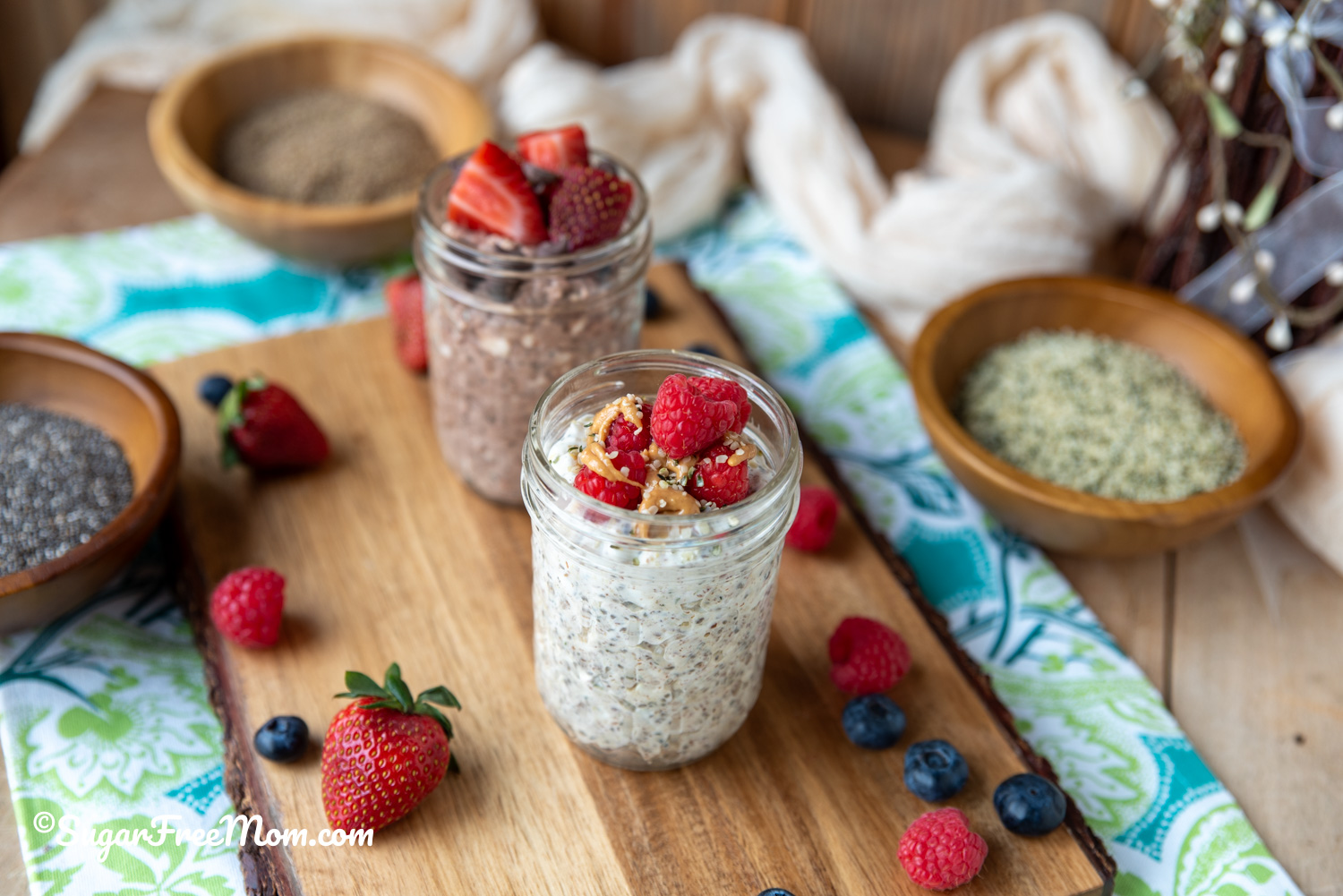
- Chia and flaxseed
- Nuts and seeds
- Avocados
Fiber is valuable for digestion, cholesterol, blood sugar, and feelings of fullness.
Increase fiber gradually and drink enough water. Adding too much too quickly can cause gas, bloating, or other gastrointestinal discomfort.
Include resistant starch
Resistant starch is a form of carbohydrate that resists digestion in the small intestine. It travels farther through the gastrointestinal tract, where gut bacteria can ferment it.
Sources may include:
- Beans and lentils
- Slightly green bananas
- Oats
- Barley
- Certain cooked-and-cooled potatoes, or rice
- Foods or products containing resistant maltodextrin
Resistant starch supports gut health, insulin sensitivity, and short-chain fatty-acid production.

Choose satisfying sources of fat
Unsaturated fats provide another nutrient signal within a mixed meal.
Helpful choices include:
- Extra-virgin olive oil
- Avocado
- Olives
- Nuts and seeds
- Salmon, sardines, and other fatty fish
Protein, fiber, and nourishing fats can work together to make a meal more satisfying and support steadier energy.
A review of nutritional GLP-1 mechanisms identified amino acids, unsaturated fatty acids, and compounds produced through fiber fermentation as potential signals involved in natural GLP-1 secretion. (Nutrition and GLP-1 review)
Food Choices and Meal Order for Blood Sugar and Appetite
What you eat matters, but the order in which you eat a mixed meal may also affect blood sugar, insulin secretion, and GLP-1.
When practical, try eating:
- Non-starchy vegetables first
- Protein and healthy fats next
- Whole food carbohydrates afterward
In a small randomized crossover study, eating vegetables followed by protein and then rice stimulated a higher GLP-1 response and produced a lower post-meal glucose response than eating rice first. (PATTERN study)
You do not need to separate every meal into perfectly timed courses. Simply beginning with vegetables and protein before eating most of the starch may be a useful habit.
It is also important to mention that a lower-carbohydrate diet or keto diet is not required to support GLP-1. Whole food Carbohydrates can be part of a balanced meal, especially when they are paired with protein, fiber, and healthy fat.

Daily Habits That May Support GLP-1 Secretion
Food is only one part of the picture. Your activity, sleep, and daily routine also influence appetite, insulin sensitivity, blood sugar, and metabolic health.
Move your body consistently
Walking, strength training, cycling, swimming, and other forms of activity help improve insulin sensitivity and blood sugar regulation.
Emerging research suggests that regular exercise may also support the natural GLP-1 response. In an exploratory analysis of 195 adults who had lost weight, one year of structured exercise increased the participants’ late post-meal GLP-1 response compared with usual activity. (Exercise study)
You do not have to begin with an intense exercise program.
A walk after a meal, two or three weekly strength-training sessions, or gradually increasing your daily steps can be a realistic place to start.
Prioritize consistent sleep
Sleep helps regulate appetite signals, glucose metabolism, and the normal daily rhythm of digestive hormones.
Small human studies have found that acute sleep loss can delay or disrupt the usual GLP-1 response to a meal. (Sleep study)
A consistent bedtime, ending your eating 2-3 hours before bedtime, a dark sleeping environment, and reducing late-night light exposure can support better sleep and overall metabolic health.
Give new habits time
Natural GLP-1 support is not about finding one perfect food or supplement. It is about building a pattern that helps you feel satisfied, maintain steadier energy, and make intentional food choices.
Begin with one manageable change:
- Add protein to breakfast
- Eat one additional serving of vegetables
- Replace a refined snack with a fiber-rich option
- Take a short walk after dinner
- Create a more consistent bedtime
Small habits become powerful when you repeat them.
Are Supplements Natural GLP-1 Agonists?
A true GLP-1 agonist binds to and activates the GLP-1 receptor.
Foods and nutritional supplements generally work differently. They provide nutrients or plant compounds that encourage your body’s own GLP-1 secretion, support fullness, or promote healthier blood sugar levels.
How Unimate and Balance Fit Into a Natural GLP-1 Lifestyle
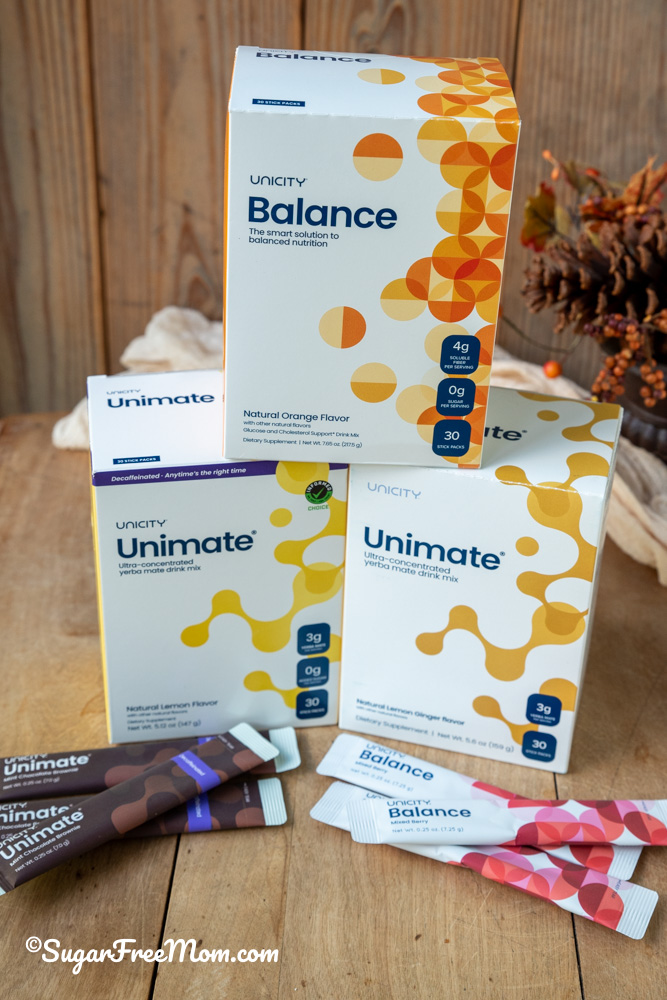
Unimate and Balance make up the Feel Great System. They can complement several of the habits discussed, particularly a routine centered on fiber, appetite awareness, meal satisfaction, and more intentional eating.
They are nutritional products-not prescription GLP-1 drugs.
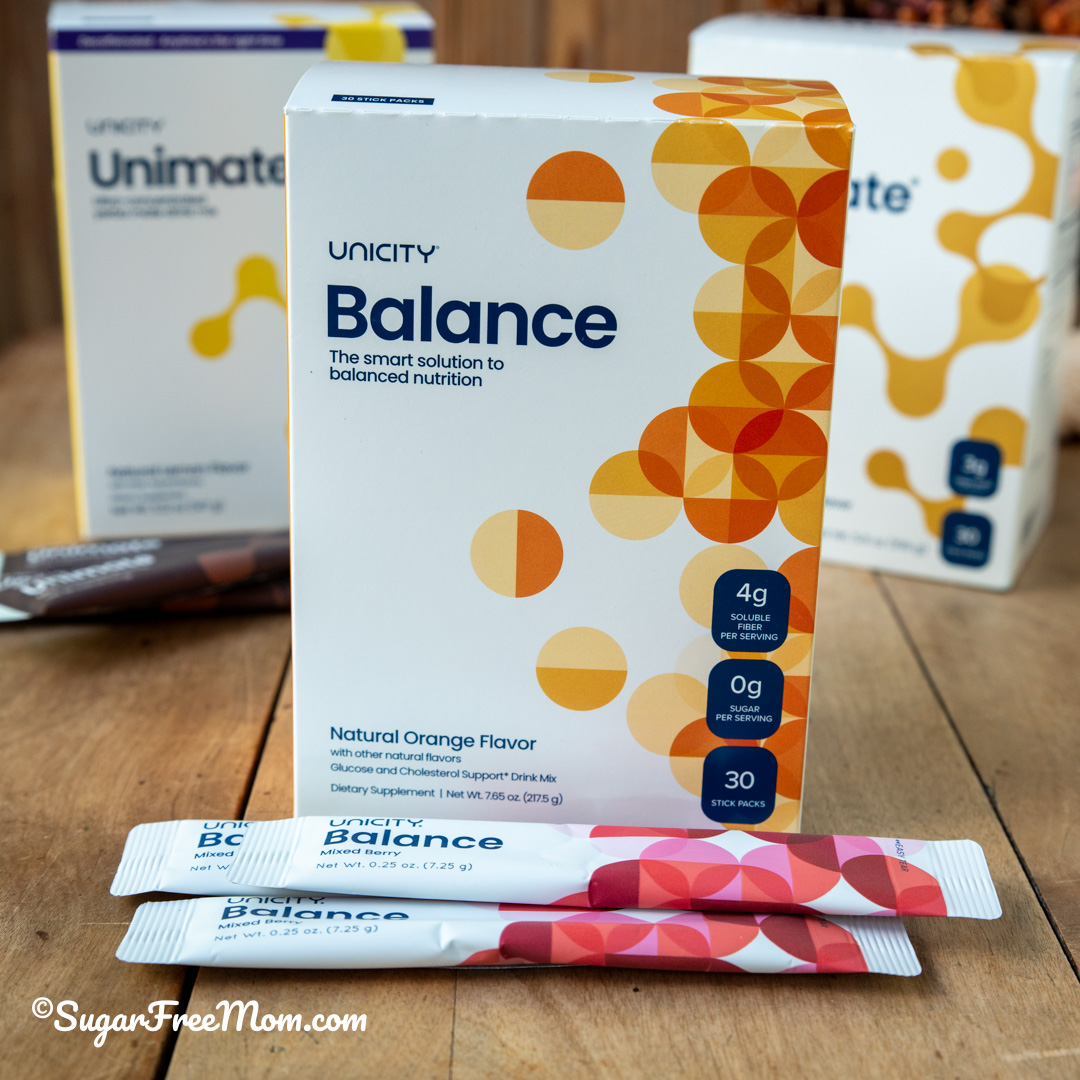
Balance: soluble fiber before your meal
Balance is a pre-meal fiber drink made with a proprietary blend that includes five sources of fiber, plant-derived polysaccharides, plant extracts, phytosterols, vitamins, and minerals.
Its viscous soluble fiber thickens when mixed with water. This helps slow the movement of food from the stomach and support a more gradual digestion and absorption of carbohydrates.
Balance is designed to:
- Support normal, healthy blood sugar levels
- Slow the absorption and conversion of carbohydrates
- Promote fullness after meals
- Help curb appetite between meals
- Support digestion and regularity
- Support healthy cholesterol levels
- Complement weight-management efforts
Balance also contains resistant maltodextrin. Unlike ordinary, rapidly digested maltodextrin, resistant maltodextrin resists digestion and functions more like soluble dietary fiber.
Using fiber before a meal aligns with the broader goal of promoting fullness, supporting a steadier post-meal response, and improving overall fiber intake.
Balance is generally mixed with 8–10 ounces of water and taken immediately before or with one or two of your largest meals. Drink it promptly because the fiber begins thickening quickly.
Unimate: focus, energy, and appetite support
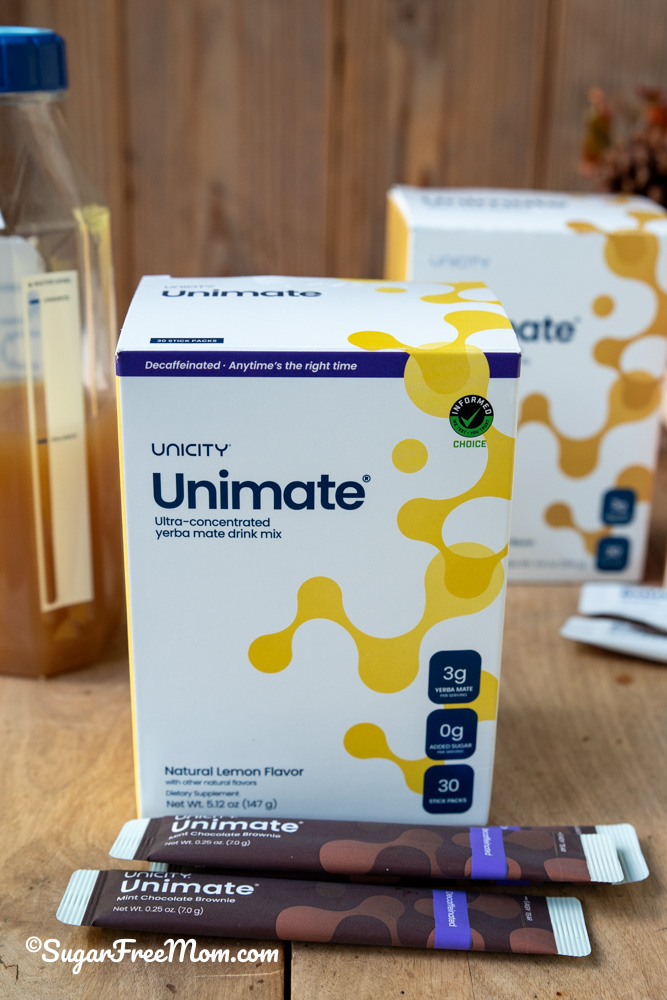
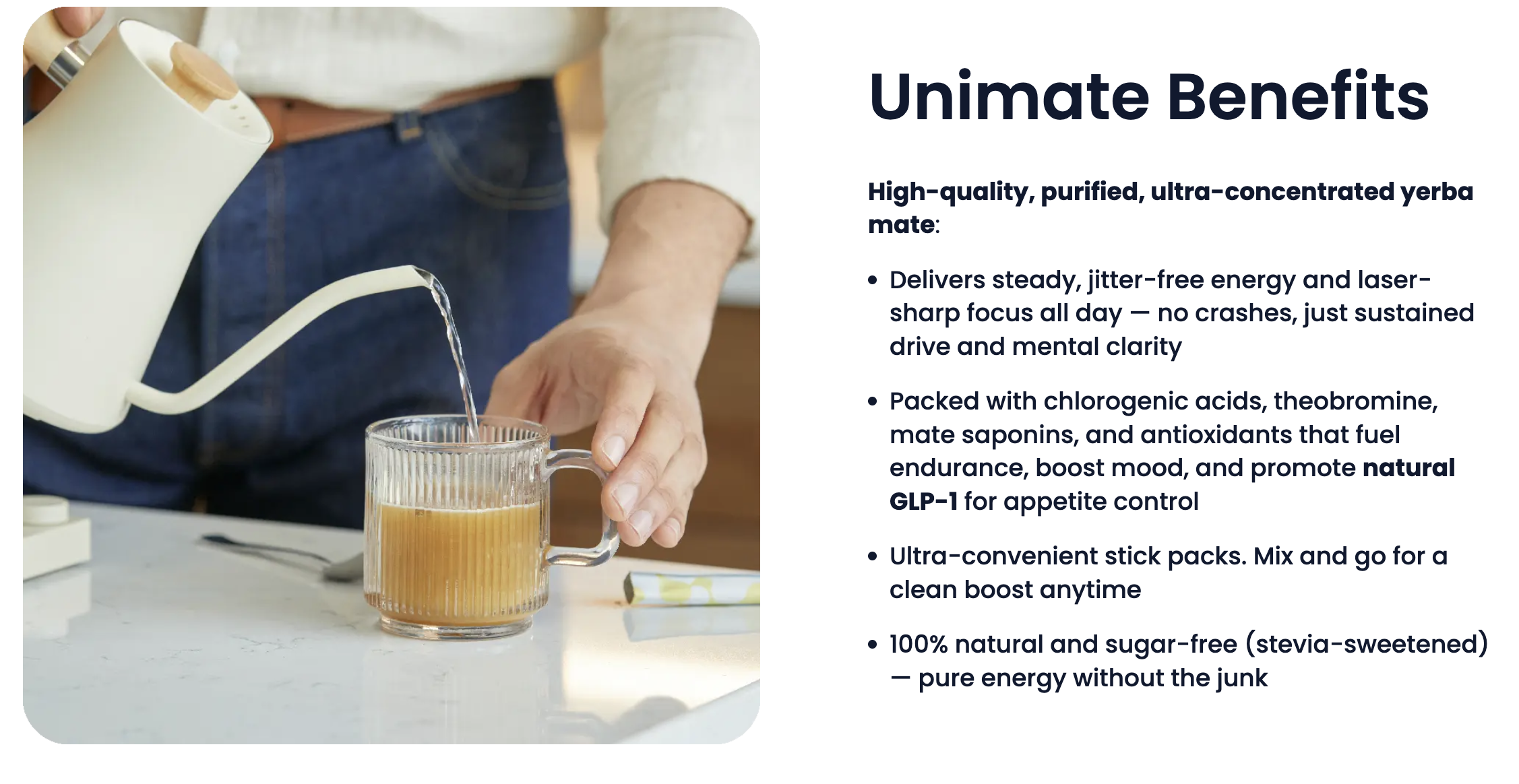
Unimate is a concentrated yerba mate drink containing naturally occurring plant compounds, including chlorogenic acids, theobromine, mate saponins, and antioxidants.
It is designed to support:
- Mental clarity and concentration
- Calm, sustained energy
- Mood and feelings of well-being
- Satiety and appetite control
- Fewer cravings
- Healthy weight-management efforts
A small company-conducted crossover study included 18 healthy adults. After drinking Unimate, participants reported greater fullness at the 15-minute mark and ate approximately 150 fewer calories at a later test meal than after drinking water.
Original Unimate contains naturally occurring caffeine. Lower-caffeine and decaffeinated options are available for people who are sensitive to caffeine.
My husband and I enjoy the original lemon Unimate during the morning hours and until we break our fast at lunchtime. In the afternoon we use the decaffeinated lemon Unimate and sip on that all afternoon until dinner.
We then take Balance before our dinner meal. We’ve tried Apple, Orange and Wild Berry flavors, all delicious!
Why the products are used together
Unimate is generally used earlier in the day to support focus, energy, satiety, and appetite control between meals.
Balance is taken immediately before or with a meal to provide fiber, support healthy carbohydrate digestion, and promote fullness afterward.
Together, they can help create a simple daily rhythm:
- Begin the day with Unimate
- Take Balance before or with one or two larger meals
- Include protein, vegetables, and nourishing fats
- Give your body more time between meals instead of constantly grazing
- Pay attention to your appetite, fullness, cravings, and energy
- Continue supporting yourself with hydration, movement, and sleep
The goal is not deprivation. It is to feel more in control of your choices and less controlled by food cravings, brain fog, and energy crashes.
Natural GLP-1 vs. Prescription GLP-1 Medications
Prescription GLP-1 medications are not the same as increasing your body’s natural GLP-1 through food and lifestyle.
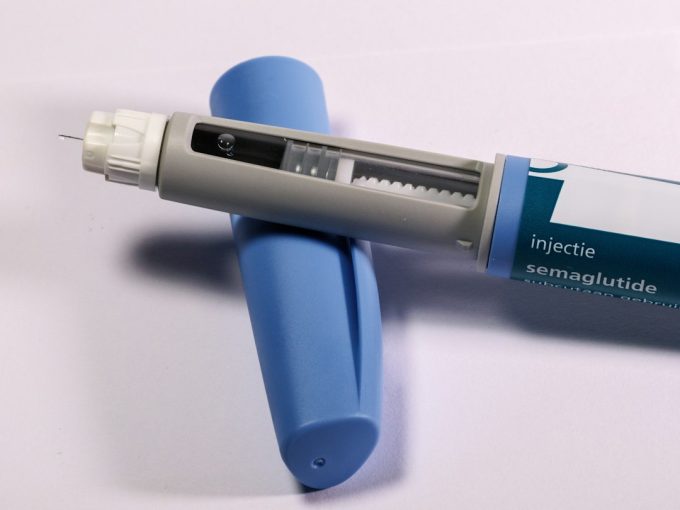
Semaglutide is a GLP-1 receptor agonist. Brand names include Ozempic and Wegovy, although the products have different approved uses.
Tirzepatide, sold under brand names including Mounjaro and Zepbound, acts on both GIP and GLP-1 receptors.
These medications are designed to resist rapid breakdown and provide a much stronger, longer-lasting receptor signal than your natural GLP-1.
They may be prescribed for conditions such as type 2 diabetes, obesity, or overweight with certain related health conditions. They are not appropriate for everyone, and there is no single “best GLP-1” for every person.
Common side effects can include:
- Nausea
- Vomiting
- Diarrhea
- Constipation
- Abdominal discomfort
More serious risks and contraindications are described in each medication’s prescribing information.
GLP-1 medications should be obtained with a prescription and filled through a state-licensed pharmacy. The FDA warns that unapproved versions do not undergo the same review for safety, effectiveness, and quality. (FDA consumer warning)
Do not discontinue or change a prescription GLP-1 medication because of something you read online. Speak with the clinician managing your care.
Is Increasing GLP-1 Enough for Weight Loss and Weight Management?
GLP-1 is only one part of a complex appetite and metabolism system.
Your weight can also be influenced by:
- Total food intake
- Protein and fiber intake
- Muscle mass
- Physical activity
- Sleep
- Stress
- Insulin sensitivity
- Menopause and other hormonal changes
- Medications
- Genetics
- Medical conditions
Supporting natural GLP-1 may help with hunger and fullness, but it does not guarantee weight loss.
The most sustainable approach combines satisfying food, adequate protein, fiber, movement, sleep, and realistic habits you can continue. Supplements can serve as tools, but they cannot replace the foundations of metabolic health.
Frequently Asked Questions About Natural GLP-1
Where is GLP-1 found naturally?
GLP-1 is produced inside your body, primarily by specialized cells in the intestinal tract. It is not a nutrient stored inside one particular food.
Food provides the signals that cause your body to release GLP-1.
What naturally increases GLP-1?
Protein, fermentable fiber, certain fats, and mixed meals can stimulate natural GLP-1 secretion.
Regular exercise may also improve the post-meal response, while adequate sleep supports the normal regulation of appetite and metabolic hormones.
Can you get GLP-1 naturally?
Yes. Your body already produces GLP-1 after you eat.
What you cannot get naturally is the same prolonged receptor activity produced by prescription GLP-1 medications.
Are there natural GLP-1 agonists?
Protein, fiber, resistant starch, and certain plant compounds may support the release of your own GLP-1.
Which natural GLP-1 approach is best for weight loss?
The best-supported approach is a combination of protein-rich meals, fiber-rich plants, satisfying fats, regular movement, consistent sleep, and an eating pattern you can maintain.
The best plan will depend on your health, your consistency and ability to stay on your chosen food plan. But I believe, regardless of your chosen food plan or diet, the Feel Great products can truly help reduce snacking and cravings.
Do I have to fast to support GLP-1?
No. Fasting is not required.
Some people enjoy time-based eating because it creates more space between meals and reduces grazing. Others feel better eating at regular intervals.
My husband and I fast daily and skip breakfast naturally as we have found the Unimate to make it quite easy to fast until lunch.
Do I have to follow keto or avoid carbohydrates?
No. You do not need to follow keto or eliminate carbohydrates.
Pairing carbohydrates with protein, fiber, and healthy fat—and eating vegetables and protein first when practical—may support a steadier post-meal blood sugar response.
My husband is not consistent with low carb eating so these products have truly helped him to be able to enjoy the foods he likes but truly eat less.

Can I use Unimate and Balance if I take medication?
Speak with your healthcare professional before using these products if you are pregnant, nursing, managing diabetes or another medical condition, or taking prescription medication.
Unimate and Balance are nutritional supplements. They do not replace prescribed medication, medical care, or an individualized nutrition plan.
Can Someone Taking a GLP-1 Medication Use the Feel Great Products?
Yes. Unimate and Balance are nutritional supplements, not GLP-1 medications, and they may complement a person’s nutrition, appetite, energy, and weight-management goals.
Anyone taking a GLP-1 medication should show the product labels to their prescribing clinician or pharmacist before beginning.
The Feel Great products can serve as supportive tools for fiber intake, fullness, focus, energy, and healthier daily habits.

Ready to Build a Routine That Supports Appetite and Metabolic Wellness?
You do not have to overhaul your life overnight.
Begin with protein at breakfast, an extra serving of vegetables, a short walk after dinner, or a more consistent bedtime. Then build from there.
If you would like additional support with appetite, cravings, energy, fiber intake, or creating more space between meals, the Feel Great System offers a simple daily routine using Unimate and Balance.
If you’d love to hear more about the science and the way the products are used together, this youtube video is for you.
The Feel Great System is available for 25% off through my link, with the discount applying to eligible monthly orders, not just the first order.
[GET THE FEEL GREAT SYSTEM FOR 25% OFF]
The company also offers a 90-day money-back guarantee with qualifying app-tracking requirements at least 50% of the time.
You do not need another extreme plan. You need practical tools, sustainable habits, and support that helps you remain consistent.
Here’s to greater focus, steadier energy, fewer cravings, and feeling great!
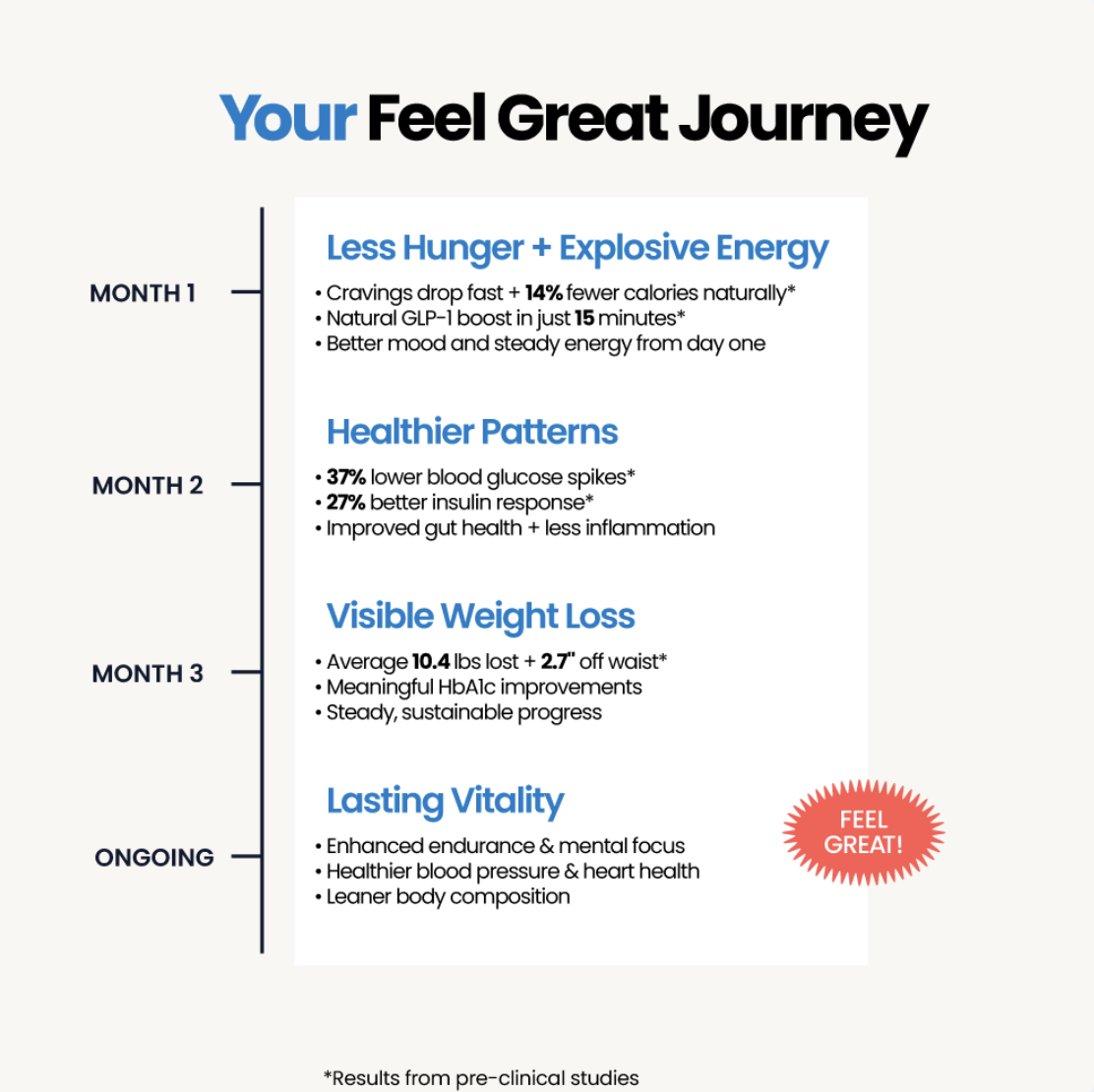
Personally, after one month my hubby has lost 2 inches off his belly and is able to fast daily with ease! I have noticed fullness at my meal taking balance and the mental clarity. I don’t even need coffee because my energy is through the roof!
I’ve also noticed myself snacking less. My trainer checks my body fat each month and after one month I lost 2% which is amazing since I am maintaining my healthy weight. To me this means, body composition is happening and I am excited!
Listen to some amazing video testimonials here!
Individual experiences will vary. These products are nutritional supplements and are not intended to diagnose, treat, cure, or prevent any disease. Consult a qualified healthcare professional before use if you have a medical condition, take medication, are pregnant or nursing, or have questions about whether these products are appropriate for you.

About Brenda
Brenda Bennett is a certified Nutritional Therapy Practitioner, certified Sugar Detox Coach, certified Keto Coach, and certified Life Coach. She has been Sugar Free & refined-carb free for 20 years and is the author of four cookbooks: Sugar-Free Mom, Naturally Keto, The 30-Day Sugar Elimination Diet, and her newest release, Good, Better, Best (2025). Her work focuses on helping women detox from sugar, eliminate cravings, balance blood sugar, and lose weight while enjoying delicious, nutrient-dense whole foods. Brenda is also the creator of the Midlife Macro™ Method and the weekly Midlife Macro Meal Plans™, designed specifically for women in perimenopause and menopause who want simple, high-protein, low-carb meals to support hormones, metabolism, and long-term health.She is the founder of the Sugar Free Fresh Start course and the Sugar Free Mom Tribe membership.